


Advocacy
How the Divestment Movement Wins
Activists use moral analogies with rogue industries and states to stigmatize fossil fuels.

Activists use moral analogies with rogue industries and states to stigmatize fossil fuels.

Links to all of SSIR's online-only articles published the past three months, with editors' notes about standout pieces on racism, the social economy, grassroots movements, global development, and the climate crisis.

Climate justice means centering the Indigenous communities who have been on the ground implementing regenerative solutions.

Corporate sustainability programs have grown dramatically, but biases have crippled their effectiveness. We identify three critical steps for reform.
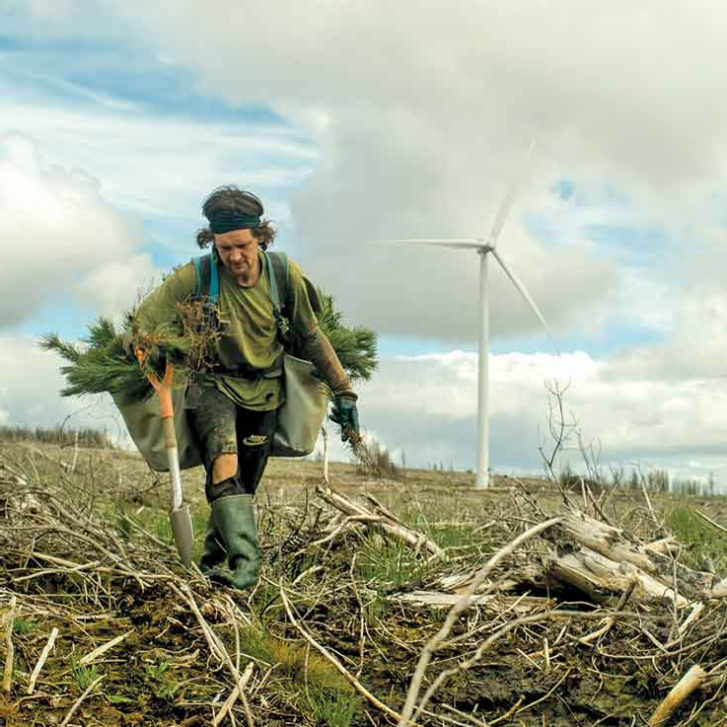
Gone West hires unemployed young adults to plant trees, turning reforestation into a profitable business.

An American funding collaborative is on a mission to help environmental advocates in Southeast Asia protect the Mekong River. Can it do so while navigating the tide of regional politics?

Why the social economy needs to step up and shape technological development to address social needs, and five strategies to get there.

A collection of SSIR articles highlighting how social change leaders are responding to the ongoing climate crisis while the world reels from the COVID-19 pandemic.

Long hailed as a major piece of the climate solution, sustainable business practices have not only fallen short: They even enable the continued dominance of fossil fuel.

To get an idea of where impact investment might be headed over the next decade, the authors examine where the field has been in three areas that play an outsized role in its goals and practices.